• Spot early roof leak signs before they turn into bigger repairs.
• Check ceilings, attics, flashing, shingles, and roof valleys for moisture damage.
• Follow a simple step-by-step process to find leaks and avoid common DIY mistakes.
Why Roof Leaks Need Fast Attention
A small roof leak can turn into a bigger problem faster than most people expect. In Jensen Beach, October brings mild weather, but the shift after storm season can still leave roofs stressed and ready to fail. If you want to protect your home, knowing how to detect a roof leak early can save time, money, and stress. When you need help fast, our team at roof repair services is ready to step in before the damage spreads.
Many leaks start in places that are hard to notice at first. Water often sneaks in around flashing, shingles, vents, or weak spots near roof edges, then shows up inside after the damage has already grown. That is why paying attention to small changes inside and outside your home matters so much. A quick check today can help you avoid larger repairs later.
Moisture problems do not stay still, especially when rain or humidity keeps feeding the issue. Stains on ceilings, peeling paint, musty smells, and damp spots in the attic can all point to trouble overhead. The sooner you spot the signs, the easier it is to limit the damage and protect the structure of your home. Early action gives you a much better chance of keeping repairs simple.
How We Spot Roof Leak Warning Signs
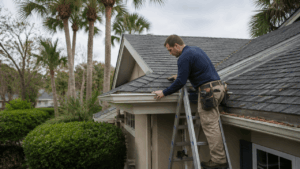
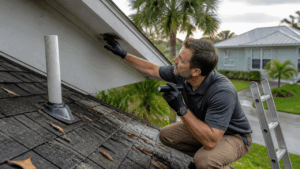
We start by looking at the roof from both the outside and inside because leaks rarely show up in just one place. On the exterior, we check for missing shingles, cracked sealant, lifted flashing, and areas where water could collect after rain. Inside the home, we look for water marks, soft drywall, and dark spots that suggest moisture is getting through. This process helps us connect what we see outside with what is happening inside the home.
We also pay close attention to attic spaces, since they often show the first signs of trouble. Light coming through the roof deck, damp insulation, and mildew smells can all point to a leak before it becomes obvious in living areas. If we find signs of storm-related wear, we may recommend storm damage restoration to stop the issue from getting worse. Careful checking is what makes early detection work.
Step-by-Step Guide
🔍 Step 1: Check the Ceiling and Walls
Start inside your home by looking for brown spots, peeling paint, or soft patches on ceilings and walls. These signs often show up before a leak becomes large enough to drip water. The earlier you notice them, the easier it is to track the source.
🌧️ Step 2: Look After Heavy Rain
Inspect your home soon after rain, since active moisture often reveals hidden trouble. Fresh stains, damp smells, or water trails can point to a roof leak that may not be visible during dry weather. Checking right after a storm gives you the best chance to catch the problem early.
🪜 Step 3: Inspect the Attic Carefully
Go into the attic and look for wet insulation, dark wood, or daylight coming through the roof boards. These are strong signs that water is getting past the roof surface. An attic check can reveal issues before they spread into the rest of the house.
🧱 Step 4: Examine Roof Flashing
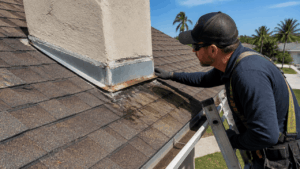
Check the metal flashing around chimneys, vents, and roof joints for gaps, rust, or lifting edges. Flashing is built to keep water out, so damage in these spots can lead to leaks fast. Even a small opening can let water move into the roof structure.
🧹 Step 5: Clear Debris from Roof Valleys
Remove leaves, branches, and dirt from valleys and drainage areas where water naturally flows. Blocked areas can hold moisture and push it under shingles. Keeping these paths clear helps water move off the roof the way it should.
🔧 Step 6: Watch for Shingle Damage
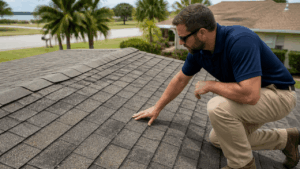
Look for shingles that are curled, cracked, loose, or missing completely. Damaged shingles leave the underlayers exposed and make it easier for water to enter. A quick visual check can reveal trouble before a leak becomes obvious indoors.
📋 Step 7: Track Changes Over Time
Write down where you spot stains, moisture, or roof damage so you can compare changes later. Patterns help show whether the issue is growing or staying in one place. This makes it easier to decide when repair is needed.
👷 Step 8: Call for a Professional Inspection
If you still cannot find the source, bring in a roofing professional to check it out. Some leaks travel far from where they start, which makes them hard to trace on your own. A trained inspection can confirm the problem and guide the next repair step.
Common Mistakes to Avoid
Many homeowners try to handle roof leak checks on their own, but a few simple mistakes can lead to bigger problems. Most of these errors happen because the signs are easy to miss or the damage seems too small to matter. Avoiding them can help you protect your home and respond sooner.
⚠️ Mistake 1: Waiting for a Drip
This mistake happens when people assume a leak is only real if water is actively falling indoors. In truth, many leaks start with stains, damp insulation, or hidden moisture long before dripping begins. To prevent this, check for early warning signs after rain and during regular home inspections.
⚠️ Mistake 2: Ignoring the Attic
Some homeowners skip the attic because it feels hard to reach or too hot to inspect. That is risky because the attic often shows the first signs of a roof problem. To avoid this, make attic checks part of your leak search and look for moisture, light gaps, and musty odors.
⚠️ Mistake 3: Overlooking Flashing
This mistake happens when people focus only on shingles and forget the joints, vents, and roof edges. Flashing damage is a common source of leaks because these areas are exposed to water flow. Prevent this by checking metal seams closely and looking for gaps or rust.
⚠️ Mistake 4: Cleaning Debris Too Late
Leaves and branches can trap water in roof valleys, but people often wait until the buildup becomes obvious. By then, moisture may already be finding its way under the roof surface. To prevent this, clear debris regularly, especially after storms and windy weather.
⚠️ Mistake 5: Guessing at the Source
A common error is assuming the stain on the ceiling is directly under the leak. Water can travel along beams and roofing layers before showing up inside the home. To avoid this, trace the problem carefully and call for an inspection if the source is not clear.
Frequently Asked Questions
What are the first signs of a roof leak?
Yes, the first signs of a roof leak often include ceiling stains, peeling paint, damp smells, and soft drywall. In some cases, you may also notice wet insulation or discoloration in the attic before water reaches the living space.
How to detect a roof leak early before major damage?
Yes, how to detect a roof leak early starts with checking after rain, looking in the attic, and watching for small changes indoors and outdoors. Early detection works best when you inspect flashing, shingles, ceilings, and walls on a regular basis.
Can a roof leak happen without visible dripping?
Yes, a roof leak can happen without any visible dripping at first. Water may move through the roof layers and cause stains, rot, or mold before it ever reaches a ceiling light or floor.
Why do roof leaks get worse so fast?
Yes, roof leaks often get worse fast because water keeps spreading once it enters the roof system. Even a small opening can let in enough moisture to damage insulation, wood, and drywall over time.
Should I inspect my roof after a storm?
Yes, you should inspect your roof after a storm because wind and rain can loosen shingles, flashings, and seals. A quick check can help you spot damage early and prevent a small issue from turning into a bigger repair.
Protect Your Home Before Leaks Spread
The best way to handle a roof leak is to catch it early and act before the damage grows. By checking your home after rain, paying attention to attic signs, and watching the roof surface closely, you can stay ahead of trouble. That kind of early care helps protect both your roof and the rest of your home.
If you are in Jensen Beach and want help from a team that knows what to look for, we are ready to help you move forward with confidence. We focus on careful checks, clear answers, and repairs that address the real problem. For updates and helpful roofing advice, follow us on social media.