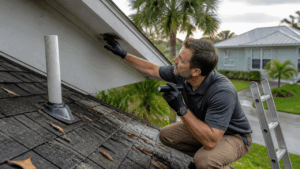
• Spot the warning signs early: Learn how to notice rust, lifted edges, loose sealant, water stains, and other signs your roof flashing needs repair before small issues turn into bigger leaks.
• Follow a simple repair process: Get a clear step-by-step guide for checking flashing, cleaning problem areas, testing seals, and knowing when a professional repair is the safer choice.
• Avoid common DIY mistakes: See the most common errors homeowners make when handling flashing repairs so you can protect your roof, prevent water damage, and act with confidence.
Why Roof Flashing Problems Need Fast Attention
In Lake Worth Beach, fall weather can bring cooler nights, rain, and extra moisture that make small roof issues harder to ignore. signs your roof flashing needs repair can show up fast, and waiting too long can let water spread into the roof deck, walls, or attic. When flashing starts to fail, even a small opening can turn into a much bigger repair. That is why quick action matters before the next stretch of wet weather rolls in.
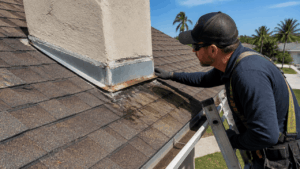
Roof flashing is the thin metal that helps seal seams around chimneys, vents, skylights, and roof edges. When that metal bends, rusts, loosens, or pulls away, water can find an easy path inside the home. We often see this problem after heavy rain, strong sun exposure, or long-term wear that weakens the seal. If you already notice stains, drips, or lifted flashing, it is smart to act now and get help from our roof repair team before the damage spreads.
The tricky part is that flashing trouble does not always look serious at first. A tiny gap, a cracked seal, or a loose nail can be easy to miss from the ground, but the water that gets in may show up later as soft spots or interior staining. In a place like Lake Worth Beach, where sun and moisture both take a toll, these small warning signs should never be brushed off. signs your roof flashing needs repair often start small, but they can lead to major trouble if they are ignored.
How Roof Flashing Fails Over Time
Flashing usually fails because of age, weather exposure, or poor sealing around roof openings. Over time, metal can corrode, sealant can dry out, and fasteners can loosen, which makes the flashing less able to keep water out. In fall, changing temperatures and seasonal rain can add stress to weak spots and make existing gaps worse. That is why a close check of the roof surface and all seam areas is so important.
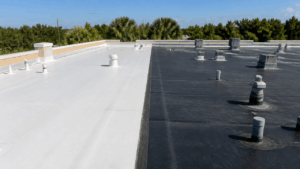
We look at the areas around pipes, valleys, skylights, chimneys, and wall intersections because those spots are common leak points. If the flashing is bent or separated, water may enter even if the shingles around it still look fine. Many homeowners focus only on missing shingles, but flashing issues can be just as serious and are often harder to spot. Catching the problem early helps protect the home from deeper moisture damage and costly interior repairs.
Step-by-Step Guide to Check Roof Flashing
🔍 Step 1: Look for visible damage from the ground
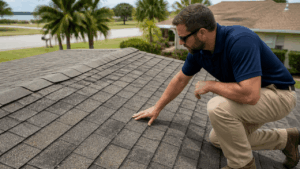
Start by walking around the home and looking for bent metal, rust, gaps, or lifted edges near roof openings. This first check helps you spot obvious trouble before you go any further and can save time during the rest of the process.
🪜 Step 2: Inspect the roof safely from a secure point
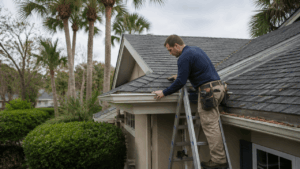
Use a stable ladder only if you are comfortable and safe doing so, and never step onto a roof that feels slippery or weak. A closer look helps you see whether the flashing is sealed properly around vents, chimneys, and roof edges.
💧 Step 3: Check for water stains inside the home
Look at ceilings, attic spaces, and upper walls for yellow marks, damp spots, or peeling paint. These signs often mean water is getting through the roof system and may point to flashing trouble.
🧰 Step 4: Test the seal around flashing edges
Look closely at the sealant and fasteners around the flashing to see if anything is cracked, missing, or pulling away. A weak seal often means water can slip in during rain, even if the damage is not easy to see from below.
🧽 Step 5: Clear debris from the problem area
Remove leaves, dirt, and other buildup around the flashing so you can see the metal clearly. Debris can trap moisture against the roof and hide damage that needs attention.
🛠️ Step 6: Replace damaged sealant or loose fasteners
If the flashing is still in good shape but the seal has failed, small repairs may restore protection. This step matters because a clean, tight seal helps keep water from working its way under the flashing.
📅 Step 7: Recheck after the next rain
After the next storm or heavy rainfall, look again for new stains, drips, or wet spots. This follow-up helps confirm whether the repair worked or whether more help is needed.
👷 Step 8: Call a roofing professional if damage remains
If the flashing is badly rusted, loose, or separated, it is time for expert repair. A skilled roofer can fix the issue correctly and help stop the problem from returning.
Mistakes to Avoid With Flashing Repair
DIY flashing repairs can go wrong when people rush, skip steps, or use the wrong materials. Small errors often lead to leaks that are harder to find later and more expensive to fix. These mistakes are common because flashing damage can look simple on the surface even when the repair needs care and precision.
- ⚠️ Mistake 1: Skipping the first inspection
This happens when someone jumps straight into repair work without checking the full area first. It often leads to missed damage around nearby seams, which is why a careful inspection should always come first. - ❌ Mistake 2: Working on a wet or slippery roof
This mistake usually happens when people try to save time after rain or during damp weather. It raises the risk of falls and makes it harder to see what needs repair, so dry conditions are always safer. - 🚫 Mistake 3: Ignoring inside warning signs
Some homeowners focus only on the roof and forget to check ceilings, walls, and the attic. That can hide the full size of the problem, so interior signs should be part of every inspection. - ⚠️ Mistake 4: Using too much sealant
This often happens when someone thinks extra sealant means extra protection. In reality, heavy buildup can trap water or fail to bond well, so the best fix is a clean and careful application. - ❌ Mistake 5: Delaying repairs after finding damage
This happens when the flashing issue seems small and easy to put off. Even a minor gap can let in water during the next rain, so quick action helps prevent bigger roof damage.
Frequently Asked Questions
What are the first signs your roof flashing needs repair?
Yes, the first signs often include rust, loose metal, cracked sealant, and water stains inside the home. You may also notice gaps around vents, chimneys, or roof edges where flashing is no longer sitting tightly in place. These early warning signs should be checked quickly before moisture spreads.
Can damaged flashing cause a roof leak?
Yes, damaged flashing can cause a roof leak because it protects the weak points where water can enter. When flashing pulls away, bends, or rusts through, rainwater can slip under the roofing material. That is why flashing damage should be treated as a real roof problem, not a small cosmetic issue.
How do I know if flashing damage is serious?
Yes, flashing damage is serious if you see active leaks, soft spots, rusted metal, or water stains that keep coming back. signs your roof flashing needs repair become more urgent when the damage is near chimneys, skylights, or vents. If the flashing has separated from the roof, it usually needs professional attention.
Can I repair roof flashing myself?
Yes, minor flashing issues may be repaired by a homeowner who has the right tools and experience. However, larger damage, corrosion, or tricky roof areas are better handled by a roofing professional. Safe footing and a proper seal matter more than trying to rush the job.
How often should roof flashing be checked?
Yes, roof flashing should be checked at least once a year and after heavy storms. In places like Lake Worth Beach, regular checks are especially helpful because sun, wind, and rain can wear the flashing down faster. A simple inspection can catch problems before they lead to leaks.
Final Thoughts on Flashing Repairs
Roof flashing plays a big part in keeping water out, so small problems should never be ignored. By watching for early warning signs, checking the right areas, and acting quickly, homeowners can avoid bigger damage and protect their property. That is especially important during fall in Lake Worth Beach, when rain and changing weather can expose weak spots.
If you have noticed any of the warning signs covered here, now is the right time to take the next step. A careful look today can help prevent a much larger repair tomorrow and keep your home better protected through the season. For more updates and helpful roofing tips, follow us on Facebook.